Taxes for Expats: What You Need to Know When Living Abroad
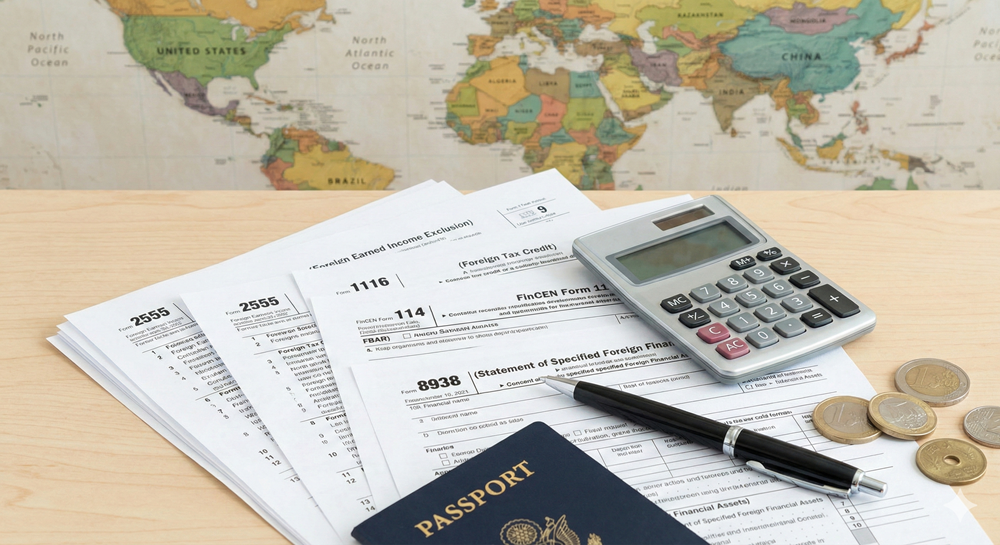
Taxes for Expats: What You Need to Know When Living Abroad
One of the most confusing aspects of moving abroad is understanding how taxes work. Many people assume that leaving their home country means they no longer need to pay taxes there. However, tax rules for expats can be complex and depend on factors such as residency status, income sources, and international tax treaties.
Whether you are a remote worker, entrepreneur, or employee living overseas, understanding how taxes apply to expats is essential. This guide explains the most important tax concepts for people living abroad.
What Is an Expat for Tax Purposes?
In simple terms, an expat (expatriate) is someone who lives outside their home country for an extended period of time. However, tax authorities define residency differently depending on the country.
Some countries determine tax residency based on:
- the number of days spent in the country
- where your primary residence is located
- where your main economic activity takes place
- family ties or permanent home ownership
For example, many countries consider someone a tax resident if they spend more than 183 days per year there.
Understanding your tax residency status is the first step in determining your tax obligations.
Do Expats Have to Pay Taxes in Their Home Country?
This depends on the tax system of the country you originally come from.
Most countries use a territorial tax system, meaning you only pay taxes on income earned within that country.
However, some countries tax citizens on worldwide income regardless of where they live. The United States is the most well-known example of this system.
In practice, many expats still need to file tax reports in their home country even if they live abroad.
Double Taxation and Tax Treaties
One major concern for expats is the possibility of paying taxes twice on the same income.
To prevent this situation, many countries have double taxation agreements (DTAs). These agreements determine which country has the right to tax certain types of income.
Tax treaties often cover areas such as:
- employment income
- dividends
- capital gains
- pensions
- business profits
These agreements help reduce the risk of paying taxes in multiple countries.
Foreign Earned Income
Expats often earn income from sources outside their country of residence. This can include:
- remote employment
- freelance contracts
- business ownership
- online income
Some countries provide tax exemptions or special programs for foreign-earned income.
For example, certain tax systems allow expats to exclude a portion of their foreign income if they meet specific residency requirements.
Understanding how foreign income is taxed can help you structure your finances more efficiently.
Taxes for Digital Nomads
Digital nomads face unique tax challenges because they often move between countries while working remotely.
Key factors that affect digital nomad taxes include:
- the country where you are legally resident
- the location of your clients or employer
- the location of your bank accounts
- the number of days spent in each country
Some digital nomads choose countries with favorable tax systems or special visa programs designed for remote workers.
Countries such as Portugal, Estonia, and the United Arab Emirates have become popular for their relatively flexible tax policies.
Tax Residency Rules
Tax residency rules vary widely across the world, but most systems use similar criteria.
Common tax residency tests include:
- 183-day rule (time spent in a country)
- permanent home ownership
- center of economic interests
- habitual residence
If you meet certain conditions, you may become a tax resident even if you did not intend to.
This is why it is important to track travel days and understand residency rules before relocating.
Common Tax Mistakes Expats Make
Many expats run into tax problems because they misunderstand their obligations.
Some common mistakes include:
- failing to file tax returns in their home country
- misunderstanding tax residency rules
- not reporting foreign bank accounts
- assuming remote income is tax-free
Working with an accountant experienced in international taxation can help avoid these issues.
Tips for Managing Taxes Abroad
Managing taxes as an expat can be easier with proper planning.
Helpful strategies include:
- understanding tax residency rules
- tracking time spent in each country
- keeping financial records organized
- consulting international tax professionals
Planning ahead can prevent unexpected tax liabilities later.
Final Thoughts
Living abroad offers incredible opportunities, but it also introduces new financial responsibilities. Taxes are one of the most important areas expats need to understand before relocating.
Because tax laws vary widely between countries, it is essential to research your situation carefully and seek professional advice when necessary. With the right preparation, managing taxes while living abroad can become much more straightforward.